Supply Chain Diagram for Southern California Industrial Real Estate
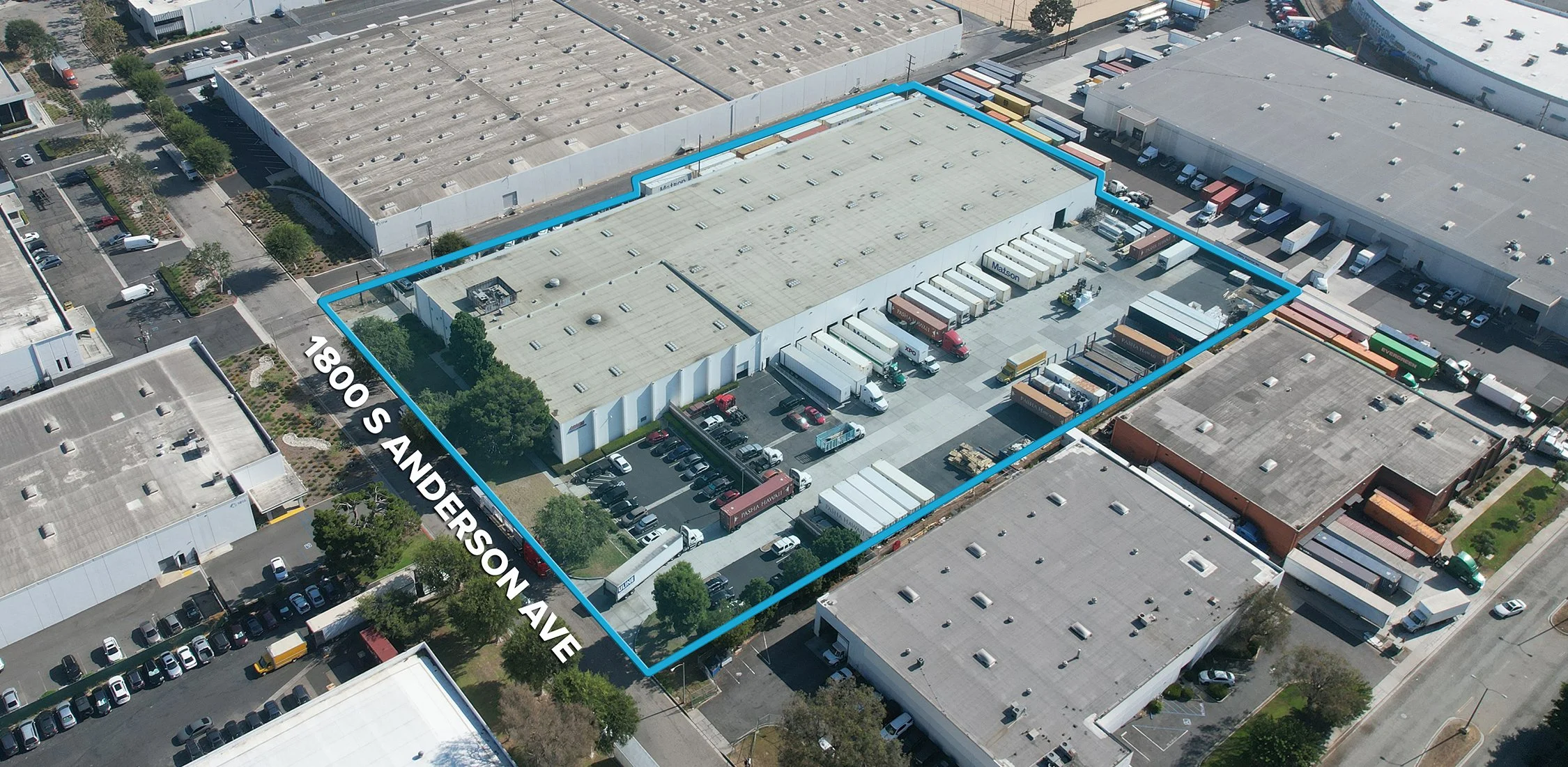
Understanding Southern California’s industrial supply chain is key to evaluating property demand, guiding investment, and boosting operational efficiency. The region’s market is shaped by a dense logistics network of global ports, intermodal rail hubs, highways, and strategically placed distribution centers. Mapping goods flow through these nodes enables developers, investors, and landlords to make smarter decisions on warehouse location, site acquisition, and tenant targeting. Modern supply chain dynamics, including just-in-time (JIT) delivery, omni-channel fulfillment, and third-party logistics (3PL) integration, are critical for aligning assets with operational needs.
Read More
Permitting Timeline for Southern California Commercial and Industrial Properties
Entitlement and regulatory approval durations are among the most critical factors in the successful execution of industrial and office asset projects in Southern California. Owners, institutional investors, and developers who understand the intricacies of local permitting frameworks gain a decisive strategic market advantage. Permits influence project scheduling, construction phasing, leasing timelines, and ultimately the financial performance of an asset. Navigating the complex network of municipal, county, and state regulatory processes requires foresight, strategic entitlements planning, and specialized industry expertise.
Read More
Best Practices for Warehouse Sprinklers and Racking in Southern California
Warehouse sprinkler and racking best practices in Southern California: NFPA 13 and California Fire Code requirements, wet and dry sprinkler system types, racking configurations for industrial warehouses, in-rack sprinkler integration, aisle width and clearance standards, fire protection trends in the Inland Empire, and design considerations affecting safety, insurance, and industrial property value.
Read More
How Do Net and Gross Leases Compare in SoCal Commercial Real Estate?
Net vs. gross leases in Southern California commercial real estate: key differences in operating expenses, tenant cost predictability, landlord cash flow and valuation impacts, SoCal market trends for NNN and gross leases across industrial and office properties, and strategic factors shaping lease negotiations in LA, Orange County, and the Inland Empire.
Read More