
Inside Southern California’s Supply Chain: Ports, Warehouses, and Distribution Hubs
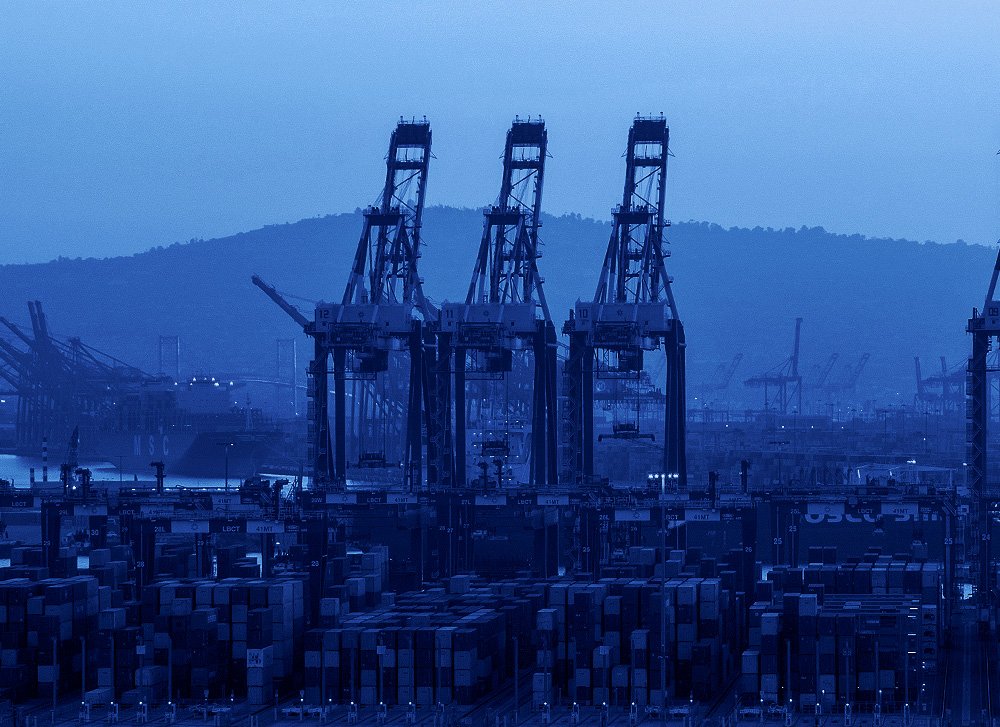
The Ports of LA and Long Beach handle nearly 40% of U.S. containerized imports.
Southern California is a backbone of the nation’s supply chain.
From massive ocean-going vessels to high-tech warehouses and last-mile delivery centers, the region’s industrial and commercial properties are the unseen gears that keep goods moving. Understanding how each real estate touchpoint functions is critical for operators, investors, and logistics professionals who depend on efficiency, speed, and reliability.
Port Operations and Their Role in Southern California’s Global Trade
The supply chain begins at Southern California’s primary maritime gateways, including the ports of Los Angeles and Long Beach, which collectively manage nearly 40% of the United States’ containerized imports. Optimal port operations depend on proximate, strategically sited industrial assets. Intermodal yards, container staging terminals, and rail transload facilities constitute the critical first link, ensuring cargo is efficiently offloaded, sorted, and dispatched to inland distribution networks.
Industrial real estate developers and logistics planners increasingly emphasize proximity to these strategic nodes. Distribution centers, fulfillment hubs, and warehousing facilities located within a 10- to 20-mile radius of the ports enhance truck turn efficiency, mitigate roadway congestion, and accelerate throughput for importers, third-party logistics providers (3PLs), and freight forwarders. This locational advantage is not merely operational convenience; it represents a deliberate real estate strategy that directly drives supply chain velocity, network resilience, and overall logistics performance.
Efficient Inland Distribution and Advanced Warehousing Solutions
After offloading at port facilities, goods move to regional distribution nodes located along strategic logistics corridors. These hubs are essential to the supply chain, serving as both inventory storage sites and sorting centers for regional, national, and international fulfillment. The efficiency of these facilities directly influences throughput, dwell time, and overall operational performance.
Modern distribution centers are meticulously engineered to meet the demanding requirements of contemporary supply chains. Key operational and design features include:
High-bay racking systems for maximizing vertical storage capacity and optimizing floor space.
Automated sortation lines to streamline order processing and reduce handling time.
Robotics-assisted material handling for precision, speed, and labor efficiency.
Integrated warehouse management systems (WMS) to coordinate inventory, track shipments, and support data-driven operational decisions.
Structural specifications including ceiling clearances, dock door counts, floor load ratings, and staging area dimensions to accommodate high-volume throughput and specialized equipment.
Design flexibility for multi-tenant layouts that support varied distribution profiles, such as climate-controlled storage for perishables, pharmaceuticals, or sensitive electronics.
Scalability to enable rapid reconfiguration of space in response to shifting market demand or seasonal fluctuations.
This combination of advanced design, operational precision, and adaptable layout ensures that modern inland distribution centers serve as high-performing assets in the supply chain. From a real estate perspective, such capabilities increase property value, reduce vacancy risk, and solidify these facilities as integral components of a region’s logistics and fulfillment ecosystem.
Optimizing Supply Chains Through Transportation Corridors
Efficient movement of goods depends not only on individual facilities but also on their connectivity to major transportation corridors. Industrial properties along highways, rail lines, and arterial roadways provide critical links that enable high-volume freight flow and maintain overall supply chain velocity. Selecting the right sites requires a balance between operational capacity and strategic access.
Key elements of transportation corridor optimization include:
Proximity to major highways and interstates such as I-5, I-10, I-15, and I-210, which facilitate rapid long-haul and regional trucking.
Access to Class I rail networks for bulk cargo and intermodal transfer, enabling efficient inland distribution from port facilities.
Strategic siting of industrial properties to reduce truck turn times, minimize congestion, and improve delivery reliability.
Impact on operational costs including reduced fuel consumption, lower labor expenses, and decreased time-sensitive delays.
Zoning and site readiness considerations to ensure compliance, support heavy freight activity, and allow smooth integration into the broader logistics network.
Investment advantages as properties with superior transportation access command premium rents and attract high-quality tenants.
By prioritizing these factors, industrial and commercial real estate assets become not just storage or operational sites but active enablers of supply chain efficiency. Strategic alignment with transportation infrastructure ensures that goods move seamlessly from ports to distribution centers and ultimately to market, maximizing both operational and financial performance.
Strategic Industrial Properties Supporting Last-Mile Delivery
The final leg of the supply chain is last-mile delivery, a segment that has grown exponentially with the expansion of e-commerce and omnichannel retail. Urban-adjacent fulfillment centers, located in dense commercial corridors, are designed to ensure rapid consumer delivery and minimize transit times. These facilities often incorporate specialized configurations such as cross-docking docks, high-turnover staging areas, and optimized circulation for heavy truck and van traffic, providing seamless integration with local distribution networks.
From an industrial real estate standpoint, last-mile facilities are premium assets. Even smaller footprints in strategically positioned locations can achieve rental rates comparable to larger suburban distribution centers, reflecting the market value placed on proximity, velocity, and operational flexibility. Developers, investors, and logistics operators evaluate parcel dimensions, curb-to-dock access, traffic flow, zoning allowances, and permitted uses to ensure the property can support high-frequency urban delivery operations while meeting regulatory and market requirements.
Industrial Real Estate as a Key Component of Southern California Logistics
Throughout the supply chain, industrial and commercial real estate assets function as strategic enablers of operational efficiency rather than simply physical structures. Each node—including port-adjacent container yards, regional distribution centers, and urban last-mile fulfillment hubs—is purposefully located and engineered to optimize throughput, reliability, and cost-effectiveness. Site selection, facility design, and asset configuration are all informed by operational workflows, cargo velocity, and logistics requirements.
Investment and development decisions in this sector are driven by a combination of market fundamentals and supply chain operational metrics. Key considerations include vacancy rates, absorption trends, rental growth, tenant mix, and connectivity to critical infrastructure such as intermodal rail, highway corridors, and ports. Stakeholders who align real estate strategy with the functional demands of the supply chain are able to maximize both operational performance and long-term investment returns, ensuring properties deliver measurable value across every stage of goods movement.
Leveraging Technology and Data in SoCal Industrial Real Estate for Optimized Supply Chains
Technology has become a cornerstone of modern supply chain operations, and industrial real estate is increasingly engineered to support these advanced systems. From warehouse management systems (WMS) to automated sortation, robotics, and conveyor automation, industrial facilities must provide the infrastructure to enable high-throughput, technology-driven operations. Developers and operators now account for electrical load capacity, ceiling clearances, floor load ratings, and network connectivity to ensure tenants can seamlessly implement sophisticated logistics solutions.
Data-driven insights also play a critical role in site selection and facility design. Analytics on freight volumes, route congestion, market proximity, and last-mile delivery density inform property acquisition, layout planning, and development strategy. By integrating these operational variables into real estate decision-making, stakeholders optimize inventory flow, enhance throughput, and maintain a competitive advantage, positioning industrial assets as proactive strategic tools rather than passive infrastructure.
The Strategic Impact of Commercial Properties on Supply Chain Efficiency
While industrial assets, such as distribution centers, fulfillment hubs, and last-mile facilities, form the backbone of supply chain operations, commercial real estate serves a critical complementary role. Corporate offices for logistics management, operations control centers, showrooms for distribution partners, and service hubs for vehicle maintenance and equipment staging all directly support the movement, coordination, and oversight of goods. Strategically integrated commercial spaces enable enhanced operational visibility, streamlined workflow management, and improved supply chain governance.
From a logistics and real estate perspective, the alignment of commercial functions with industrial capacity allows companies to optimize end-to-end performance. Key considerations include proximity to operational headquarters, accessibility for third-party logistics providers (3PLs), integration with enterprise resource planning (ERP) systems, and adjacency to vendor networks. These commercial nodes act as command centers that facilitate inventory planning, order processing, and multi-channel fulfillment, ensuring real-time responsiveness across the supply chain.
By coordinating industrial throughput with commercial operational infrastructure, supply chains achieve efficiency at every stage, from port intake to regional distribution and final delivery. This symbiotic relationship underscores the importance of real estate strategy in high-density logistics networks, reinforcing that thoughtfully sited and engineered commercial properties are not merely supportive assets but pivotal drivers of supply chain performance, risk mitigation, and overall operational scalability.
How to Strategically Navigate Southern California’s Commercial and Industrial Real Estate Market
Partnering with industry experts like The Klabin Company can significantly elevate your decision-making process — with over 60 years of experience specializing in the Southern California industrial and commercial markets, we are dedicated to delivering unparalleled service and expertise tailored to your needs. Our deep knowledge of local market dynamics, coupled with our commitment to integrity and innovation, equips our clients with critical insights into emerging trends and opportunities. We prioritize transparency and collaboration, ensuring that your strategy aligns seamlessly with your business’s growth and operational objectives. By leveraging our extensive network and expertise, you can navigate the complexities of the market to position your business for sustained success in this dynamic and competitive environment.
This blog post is provided for informational purposes only and does not constitute legal, financial, or professional advice. Real estate laws and regulations vary by jurisdiction, and the information herein may not be accurate or applicable to your specific situation. Before making any real estate decisions, consult a qualified local real estate attorney, financial advisor, or other relevant professional. The Klabin Company is not liable for any actions taken based on the information in this article.